
The Wellness of Less:
Why Simplicity May Be the Ultimate Wellness Practice
By Cassandra Carey, Founder of Inu8 Welleisure® and creator of The Art of Living Well
There is a curious paradox at the heart of modern wellness.
Never before have we had access to so much information about how to live well, yet many women feel more overwhelmed than ever. We are encouraged to optimise our sleep, track our movement, improve our nutrition, manage our stress, support our hormones, strengthen our bones, protect our longevity and cultivate mindfulness. Each recommendation may be well-intentioned. Together, however, they can begin to feel like another list of things to manage.
For many women, particularly as they move through midlife, wellbeing can start to resemble another responsibility rather than a source of support. This is not because the information is without value, quite the opposite. The growing conversation around women’s health, peri-menopause, menopause and healthy ageing is both necessary and long overdue. To better understand our bodies, our hormones, our nervous systems, our changing needs and the importance of strength, recovery and emotional wellbeing is empowering. Yet the challenge is that this knowledge often arrives into lives that are already full.
Midlife is frequently described as a time of transition, but that word can understate the complexity of what many women are holding. Careers may still be demanding, families may need support in new and evolving ways, children may be becoming more independent while ageing parents require greater care, relationships may be shifting, and the body itself may be asking for a different kind of attention. Beneath the visible commitments sits the less visible mental load: the planning, remembering, anticipating and organising that so often forms the background architecture of a woman’s life.
It is this accumulation, rather than any single demand, that can leave women feeling stretched. The modern woman is often expected to be informed, capable, emotionally available, professionally relevant, physically well, socially connected and personally fulfilled. When wellness is added to this landscape as another area requiring discipline and performance, it can begin to lose the very quality it is intended to restore.
This is where simplicity becomes more than an aesthetic choice. It becomes a meaningful wellbeing practice.
Simplicity, in this context, is not about doing less in a way that diminishes life. It is not about retreating from ambition, vitality, care or growth, nor is it about reducing wellness to a slogan. True simplicity requires discernment. It asks what is essential, what is supportive, what is sustainable and what may simply be adding noise. It invites a woman to consider not only what she can add to feel better, but what she may need to release in order to feel more like herself.
There is a sophistication in knowing what to leave out in a culture that often rewards accumulation, simplicity can feel surprisingly radical. We are surrounded by more products, more advice, more opinions and more ways to measure ourselves than at any other time. Yet the practices that restore us most deeply are often the least complicated: time in nature, nourishing food, gentle but intelligent movement, meaningful conversation, proper rest, quiet, sunlight, water, touch, beauty and space.
These things are not new, which may be precisely why they are so easily overlooked. They do not always announce themselves as solutions, they do not promise reinvention, they simply create the conditions in which the body and mind can begin to settle.
Retreat environments understand this at their best. While treatments, movement classes, therapies and nourishing meals all have their place, the deeper value of a retreat often lies in the permission it creates. Permission to pause, to be cared for, to step outside the usual demands of daily life and to experience what it feels like when there is nothing immediate to solve. For women carrying the emotional and practical weight of many roles, this can be profoundly restorative.
This is where thoughtfully designed programs can offer a more integrated form of support. Gaia Retreat and Spa has created Rebalance, a retreat package designed to address the physical and emotional challenges of peri-menopause, menopause and healthy ageing through targeted evidence-based treatments and practical wellness strategies. Created for those experiencing hormonal transitions and seeking comprehensive support for both immediate symptom management and long-term health optimisation during the natural ageing process,
Rebalance invites women to reconnect with mind, body and soul in Australia’s healing heartland and to reclaim a deeper sense of inner balance.
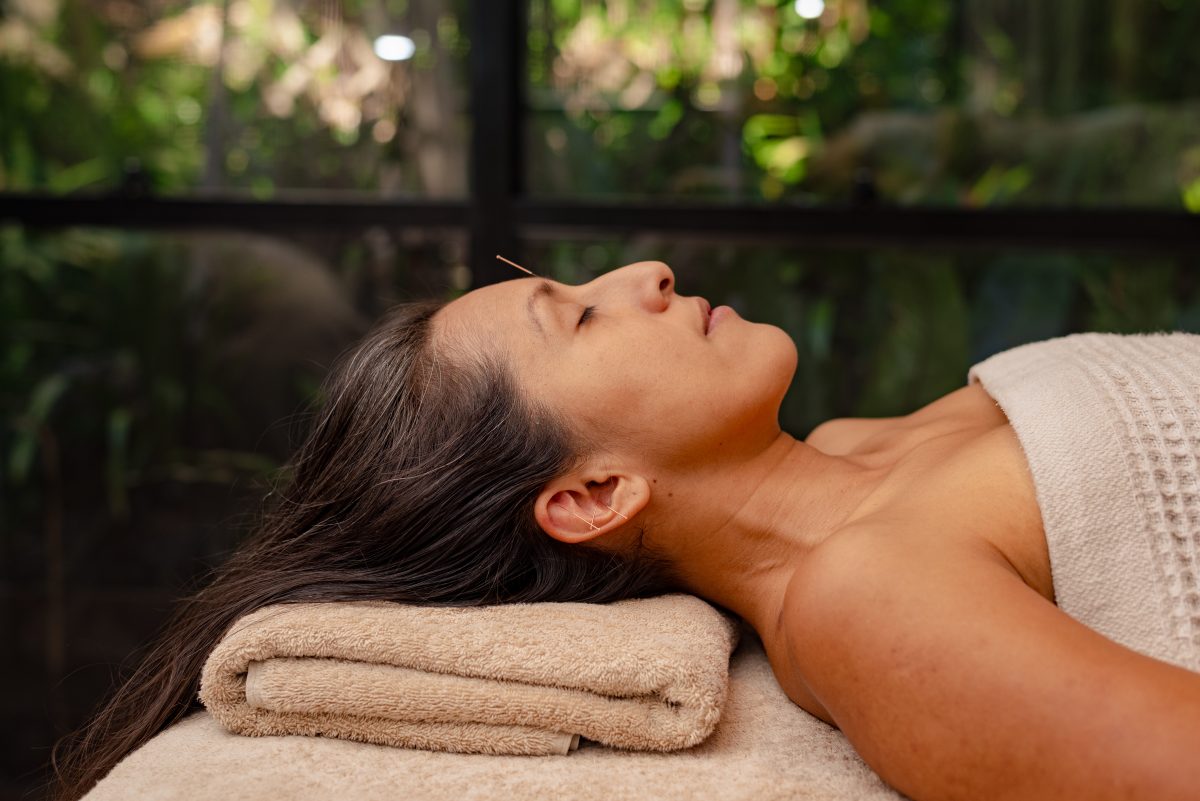
The need for this kind of space becomes particularly important during peri-menopause, menopause and the years of healthy ageing that follow. These stages are not simply clinical events to be managed, nor are they something to be endured quietly. They are significant life transitions that deserve informed care, thoughtful support and a more generous cultural conversation. At the same time, it is important that the conversation does not become another source of pressure. Women do not only need more information; they need ways to integrate that information into lives that feel possible, meaningful and their own.
This is where the idea of living well becomes more nuanced. It is not simply a matter of doing the correct things, although good advice and evidence-based practices matter. It is also about creating rhythm, ease and coherence. It is about understanding that wellbeing is shaped not only by formal routines, but by the way we move through ordinary moments: how we dress, how we rest, how we travel, how we eat, how we connect, how we recover, and how much space we allow for life to feel less crowded.
The art of living well is often found in these quieter choices. It is found in choosing fewer things with greater care, in valuing quality over excess, in allowing beauty and function to sit together, and in recognising that the body is not separate from the life it inhabits. What we surround ourselves with, what we wear against our skin, how we create comfort, and how we transition between the many roles of a day all contribute to the way we feel.
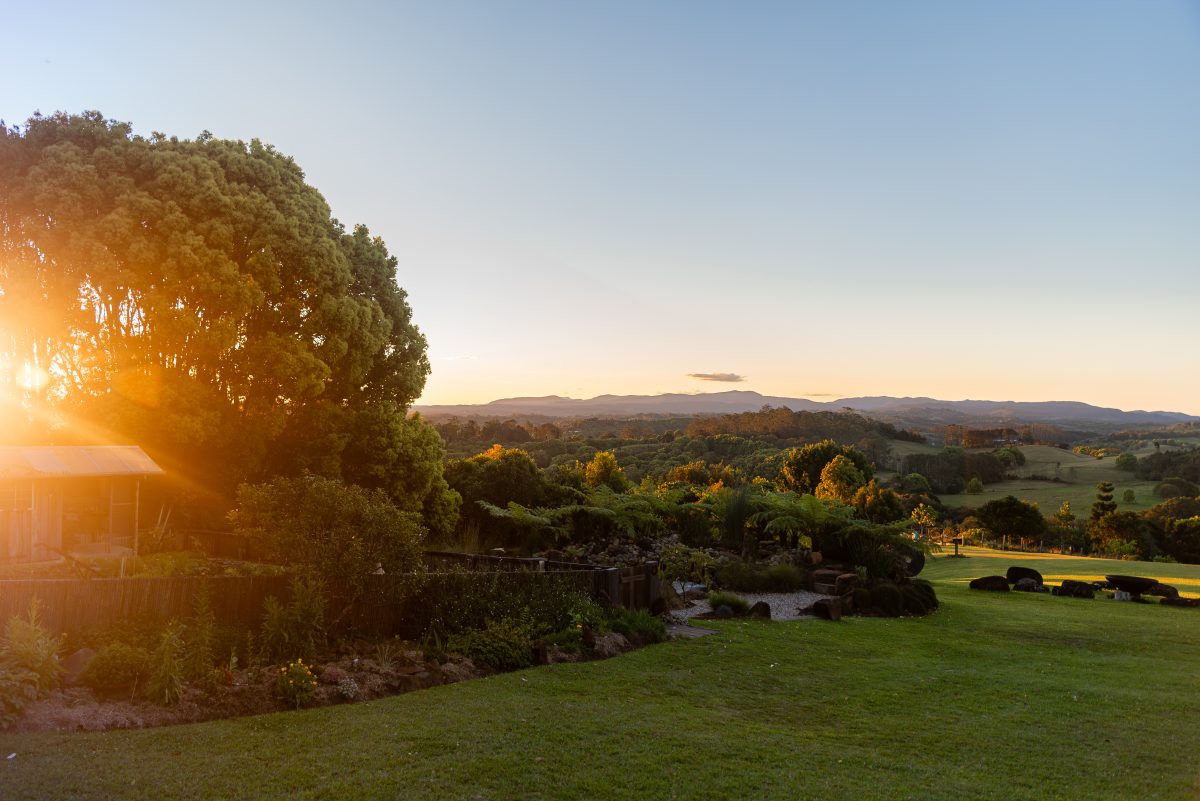
For women in midlife, this can be especially powerful. There is often a growing clarity about what genuinely supports us and what does not. The body may become less willing to tolerate being ignored, energy may feel more precious, recovery may become essential rather than optional, and priorities sharpen. What once felt necessary may no longer feel so. This is not a loss of capacity, but a refinement of attention.
To choose simplicity at this stage of life is not to make life smaller. It is to make it more considered and to create room for the experiences, relationships, practices and objects that support a deeper sense of ease. It is to recognise that wellness does not need to be performed to be meaningful. Often, it is most powerful when it is quietly embedded into the way we live.
The wellness of less is therefore not a rejection of modern knowledge, nor a dismissal of the important advances being made in women’s health. It is a way of holding that knowledge with more gentleness. It is a reminder that living well should not feel like another standard to meet, but a relationship we continue to refine with our bodies, our minds, our environments and our time.
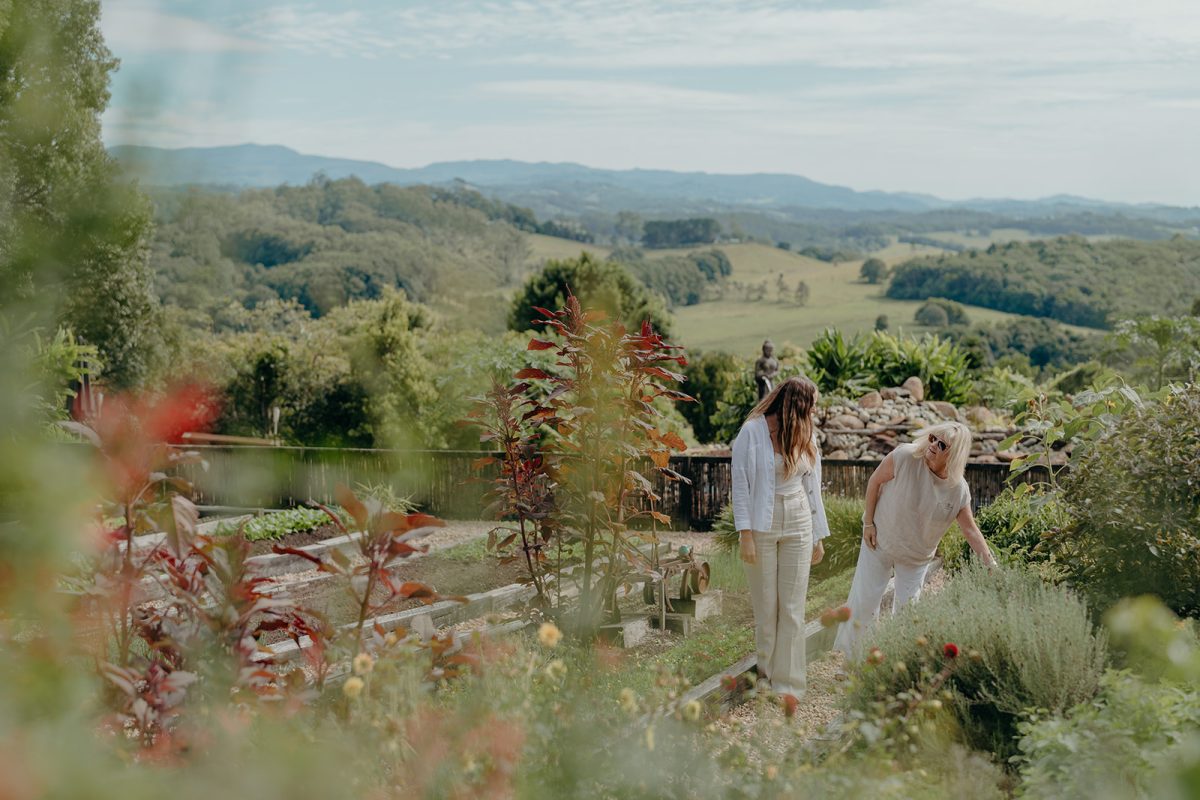
Perhaps the most valuable question is not what more can be added, but what would allow life to feel more deeply supported. For some women, the answer may be strength, for others, rest or possibly care, conversation, nourishment, movement, solitude, nature or simply the relief of being in an environment where they do not have to hold everything at once.
Simplicity makes space for that answer to be heard.
In the end, the art of living well is rarely found in doing everything. It is found in choosing with care, in understanding what matters most, and in allowing life to feel lighter where it can.
Explore Further
Explore Gaia Retreat and Spa’s Rebalance Retreat
About the Author
Cassandra Carey is the founder of Inu8 and creator of The Art of Living Well, a philosophy centred on simplicity, connection and intentional living. Her writing explores the intersection of wellness, travel and everyday rituals, encouraging a more considered approach to living well.